

Gold or Bitcoin: Who Hedges Inflation in 2025?
Most people think they're hedging inflation by buying shiny things with "Bitcoin" stamped on them. They're not. What you're actually holding is a collectible—a conversation piece with zero liquidity and zero actual cryptocurrency backing. I've watched enough market cycles to know the difference between an asset and a decoration, and this roundup exposes exactly which products deliver real collector value versus which ones are just marketing noise dressed up in gold plating.
⚡ Quick Answer: Best Firearms News
Best Crypto Decor: Naturiway 10 Pcs Bitcoin Coins, 24K Gold Plated, 3mm BTC Cryptocurrency Collectibles with Protective Case, Blockchain Decor for Home and Office
$19.99 — Check price on Amazon →
Table of Contents
Main Points
- Gold plating degrades over time and adds zero intrinsic value—these aren't precious metal investments, they're display items priced like they are, so know what you're actually buying before you justify the cost.
- Protective cases matter more than marketing claims; the innoGadgets and GARASANI sets include proper display packaging that protects against oxidation and handling damage, directly affecting long-term collectibility.
- Real inflation hedging requires actual Bitcoin held in a hardware wallet or real gold bullion—physical Bitcoin collectibles offer neither, so don't confuse owning the thing with owning the asset it represents.
- Novelty factor has a shelf life; these products work as desk conversation starters or gifts for crypto enthusiasts, but they won't hold value the way limited-edition authenticated coins or ingots do in serious collector markets.
- Price-to-quality ratio varies wildly across this list—some are under $20 impulse buys while others run $40+, but none of them protect your purchasing power against a weakening dollar the way actual holdings in BTC or physical gold will.
Our Top Picks
Affiliate disclosure: if you buy through these links, we may earn a commission at no extra cost to you.

Naturiway 10 Pcs Bitcoin Coins, 24K Gold Plated, 3mm BTC Cryptocurrency Collectibles with Protective Case, Blockchain Decor for Home and Office
$19.99Check PriceA recovered top-picks entry restored from the saved product data for this article.
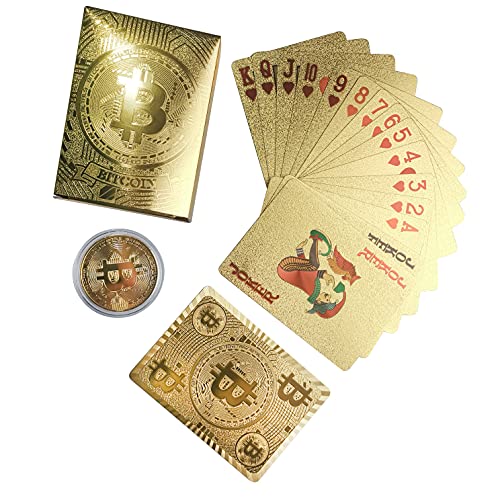
Rich Life Style Bitcoin Waterproof Gold Playing Cards with Commemorative Bitcoin Encased in Protective Plastic
$12.99Check PriceA recovered top-picks entry restored from the saved product data for this article.

Bitcoin 3D Printed Sign - Crypto Themed Model for Display - Desk Toy Accessory (Gold)
$11.99Check PriceA recovered top-picks entry restored from the saved product data for this article.
Factors to Consider
Understand What You're Actually Hedging Against
Gold and Bitcoin don't hedge the same threat. Gold protects against currency debasement and systemic breakdown — it's insurance you hold because governments print money and economies collapse. Bitcoin hedges inflation *and* financial system risk, but it requires you to understand blockchain technology and custody options well enough to not lose it to a hack or exchange failure. Know which scenario you're betting on before you buy either one. Most people should own both, but for different reasons and in different amounts.
Physical Gold vs. Gold ETFs: The Custody Question
Physical gold in your hands beats paper gold every single time — you can't lose it to counterparty risk, it won't vanish in a brokerage collapse, and no one can freeze it without breaking into your safe. Gold ETFs (GLD, IAU) are liquid and cheap to trade, but you're betting the custodian doesn't get seized or that the government doesn't restrict withdrawals. If you're buying gold as actual insurance, buy physical bars or coins and store them where you control access. If you're trading it for profit, ETFs make sense. Don't mix up the two strategies.
Bitcoin Storage: Hardware Wallet or Bust
Holding Bitcoin on an exchange is not holding Bitcoin — you own an IOU from a company that can be hacked, frozen by regulators, or shut down. A hardware wallet (Ledger, Trezor) costs $60-150 and gives you actual ownership and control. Learn to use it before you buy significant amounts, because losing your seed phrase means losing everything. I've seen people lose six figures because they didn't take 30 minutes to understand cold storage.
Allocation Based on Chaos Scenarios
If the financial system stays intact but inflation runs hot: Bitcoin outperforms. If there's a serious banking crisis or currency collapse: physical gold wins. If both happen: you're glad you own both. Most people should run 60-70% physical gold and 20-30% Bitcoin, with the remainder in other assets. This isn't financial advice — it's scenario planning. Adjust based on your actual risk tolerance and your confidence in institutions.
The Tax and Reporting Trap
Gold coins and bars are taxed as collectibles (28% long-term capital gains rate) versus Bitcoin's more favorable long-term capital gains treatment (15-20% depending on income). Both require detailed record-keeping when you sell. The IRS treats physical gold differently from gold futures and ETFs, so talk to an accountant who understands both assets before you structure large purchases. A bad filing can cost more than you saved.
Frequently Asked Questions
Will Gold or Bitcoin Do Better in 2025?
No one knows, which is why you own both. Bitcoin has outpaced gold during inflationary periods historically, but gold holds steady during actual financial crises when Bitcoin takes 30-50% drawdowns. 2025 could bring either scenario — more Fed money printing (Bitcoin wins) or credit market stress (gold wins). Own them to hedge different outcomes, not to pick winners.
How Much Should I Allocate to Inflation Hedges?
Most people should hold 10-20% of their liquid net worth in gold and Bitcoin combined, depending on how much you trust the dollar and the financial system. If you think there's genuine systemic risk, push toward 25%. If you think we muddle through without a crisis, 5-10% is enough. Your actual number depends on your other assets, cash reserves, and whether you own real estate or other tangible goods.
Is Bitcoin Too Volatile to Be a Hedge?
Bitcoin is volatile short-term, but over 5+ year periods it's been one of the best hedges against currency debasement — up 500%+ during periods when the Fed tripled the money supply. The volatility is actually a feature for people with time horizons over 10 years; it means you can buy more when it crashes. If you need the money in the next 2-3 years, Bitcoin isn't your hedge — gold is.
Should I Buy Physical Gold or Gold Stocks?
Physical gold can't go bankrupt and won't be frozen by regulators — this matters in genuine chaos scenarios. Gold mining stocks (GDX, GDMK) give you leverage and dividends, but they're equity risk and depend on company management. Mining stocks outperform during stable inflation; physical gold outperforms during crises. Own physical gold as insurance, stocks as leverage if you want income.
What's the Difference Between Coins and Bars?
Coins (American Eagles, Britannias, Maples) have numismatic premiums baked in, cost more per ounce, but are easier to sell in small quantities and legal to own in larger amounts under certain rules. Bars are cheaper per ounce but require finding a buyer when you sell. If you're buying 1-10 ounces, coins make sense; if you're buying 100+ ounces, bars are more efficient.
Can the Government Confiscate Bitcoin or Gold?
The government already tried gold confiscation in 1933 and could theoretically do it again — but it's harder to confiscate something the government can't find. Properly stored physical gold and Bitcoin in a hardware wallet are both difficult to seize without knowing exactly where they are. Digital Bitcoin on an exchange can be frozen with a court order; physical assets in your control cannot. This is another reason to own the actual thing, not the paper version.
Is Now a Good Time to Buy?
Timing the bottom is for suckers. If you believe gold and Bitcoin are long-term hedges, the price on any given day doesn't matter much — you're buying insurance, not making a day trade. Start a regular purchase schedule (dollar-cost averaging) of both assets and stop obsessing over price movements. I've watched people wait for gold to drop $50/oz and miss a $200 move up instead.
Conclusion
Gold and Bitcoin hedge different disasters, so you need both. Gold is your insurance policy against the system breaking; Bitcoin is your hedge against the currency failing. Buy physical gold you can hold, Bitcoin in a wallet you control, and stop listening to people who tell you to choose one. The economy in 2025 is running on fumes — money printing, debt, and the market's faith that it all works out. It might. But you shouldn't bet your purchasing power on it.
My read: own 2-3 months of expenses in cash, 60-70% of your hedge allocation in physical gold, 20-30% in Bitcoin, and buy both on a schedule regardless of price. You're not trading. You're protecting. Act accordingly.